Cabin baggage: why the size on the label is not the size that matters

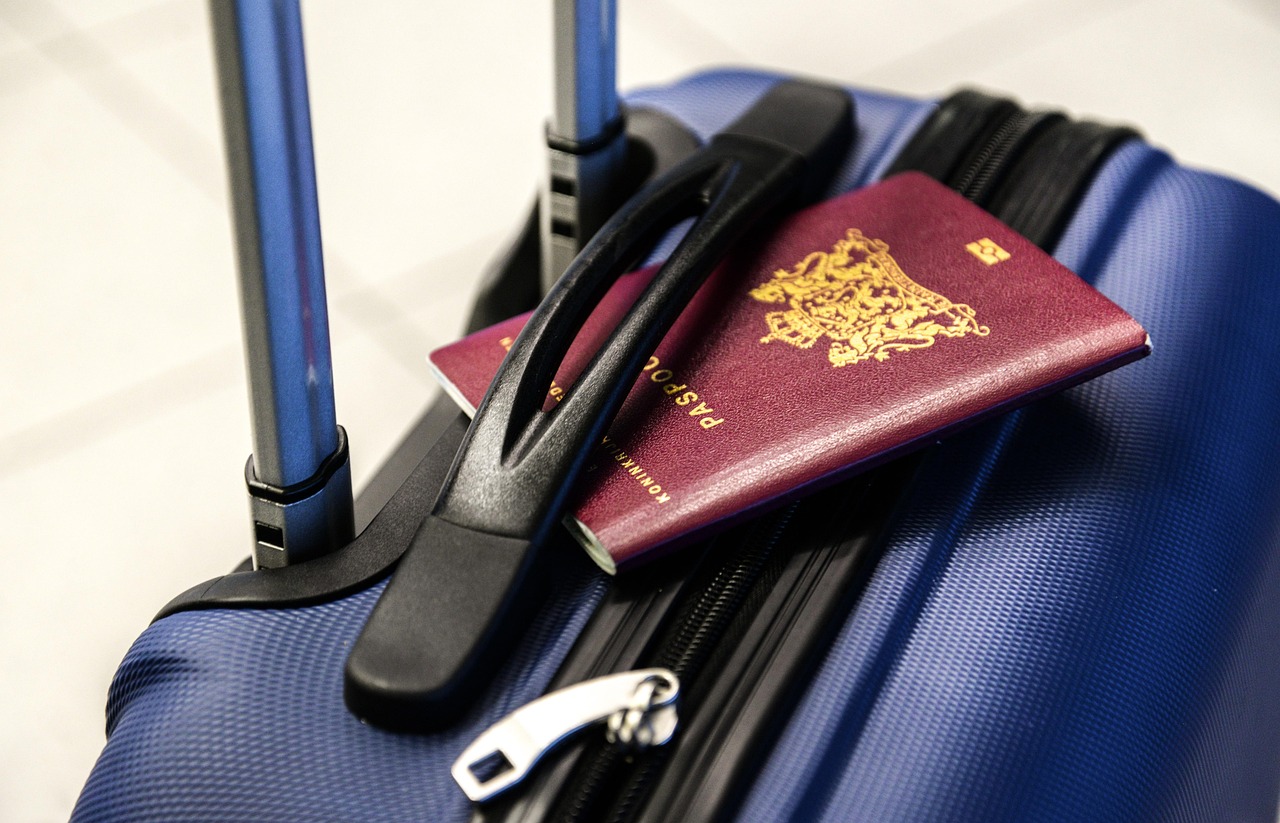
Nearly every hard-shell case is described as “cabin size”. That means the case is close to a common allowance — not that every airline will accept it. The allowance is set by the airline, not by the bag.
Measure the way the airline measures
- Wheels and handles count. Many listings quote the body only. Airlines measure the widest points, so a case sold as 55 cm can measure 57–58 cm across the wheel housing.
- Weight, not just size. Indian carriers commonly allow around 7 kg of cabin baggage, and an empty hard-shell cabin case can weigh 3 kg on its own.
Take the measurements printed on the product page, add the wheels if the listing says “body only”, and compare against the limit your airline publishes for the fare you booked. Fare classes differ within the same airline.
Soft-side versus hard shell
A soft-side case has some give and can be persuaded into a sizer when it is not overfilled. A hard shell will not compress — what you measure is what it stays. Hard shells protect contents better and scuff more visibly.
What we can and cannot tell you
We list the supplier’s measurements in centimetres for every case so you can compare like with like. We cannot promise a particular airline will accept a particular case, because that is decided at the gate on the day. If a case is close to your limit, take the smaller one.